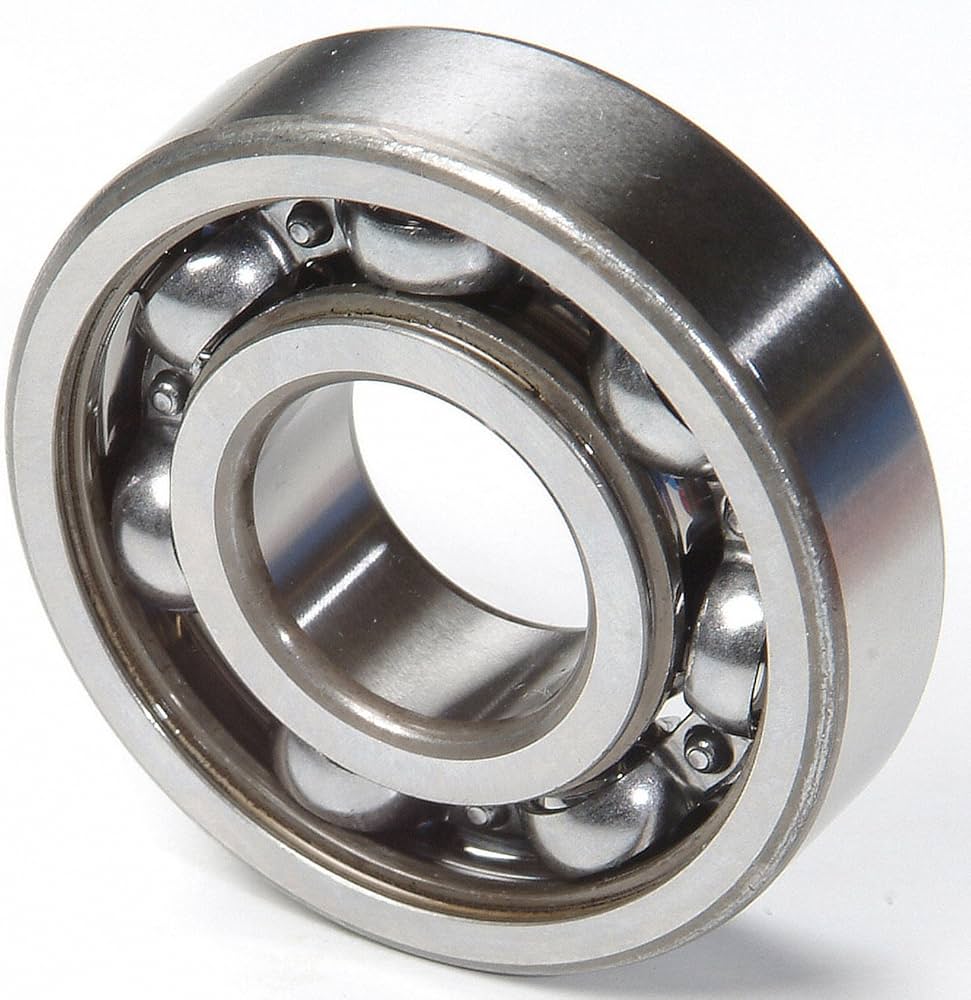
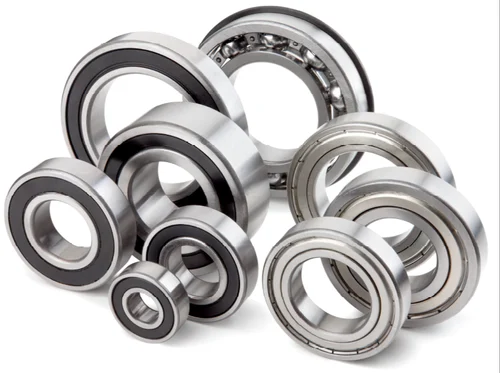
Ball Bearings
Usage: Ideal for applications requiring low friction and high-speed operation, such as electric motors, automotive components, and industrial machinery.
Overview: Versatile and widely used, ball bearings consist of balls placed between two races.
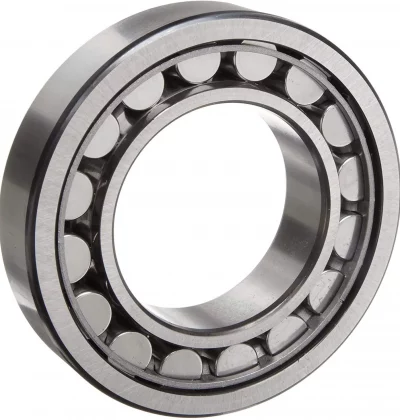
Cylindrical Roller Bearings:
Usage: Designed to handle high radial loads, making them suitable for heavy machinery, conveyors, and gearboxes.
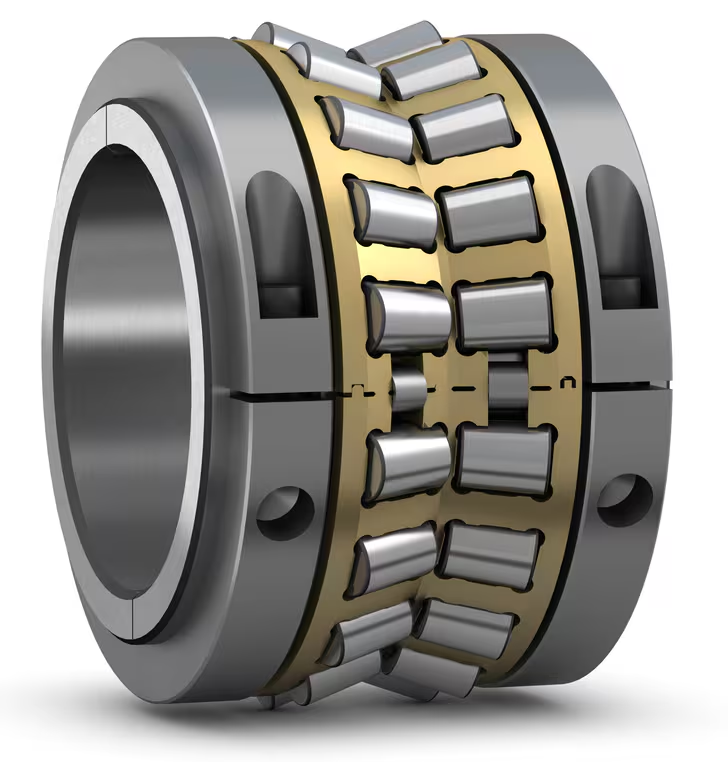
Tapered Roller Bearings:
Usage: Excellent for handling both radial and axial loads, commonly used in automotive wheel hubs and axle assemblies.
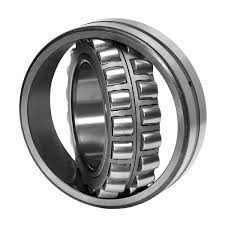
Spherical Roller Bearings:
Usage: Allow for misalignment and are perfect for applications like crushers, wind turbines, and heavy equipment.
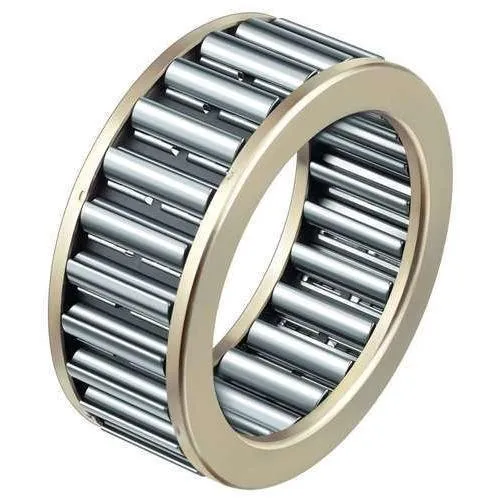
Needle Bearings
Overview: These bearings use long, thin rollers, offering a compact design for applications with limited space.
Usage: Commonly found in automotive transmissions, engine components, and any application where space is a concern.
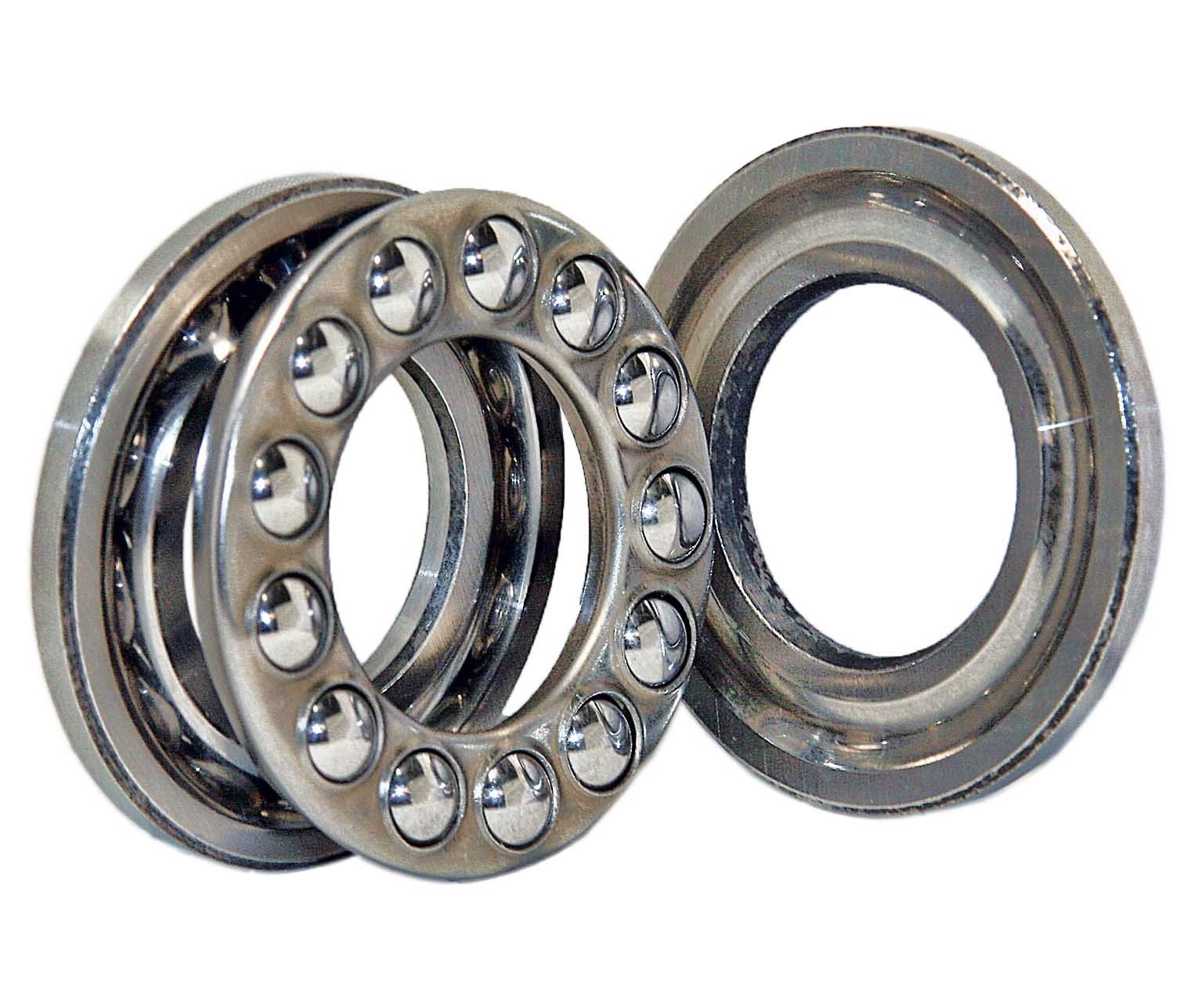
Thrust Bearings
Overview: Designed to handle axial loads, thrust bearings can support high force in one direction.
Usage: Used in applications such as gearboxes, propeller shafts, and other machinery where axial load support is necessary.
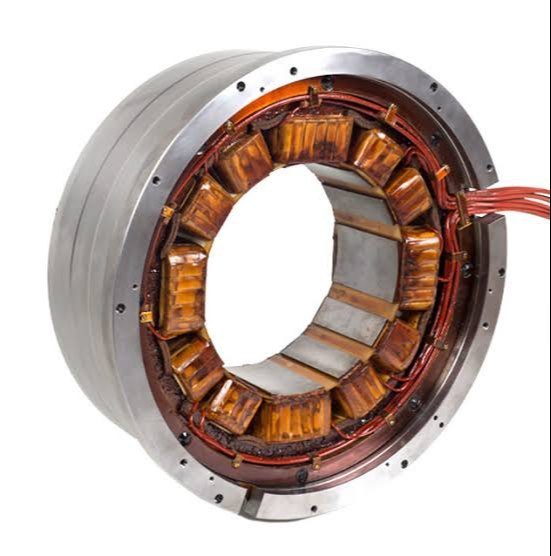
Magnetic Bearings
Overview: Utilize magnetic levitation to support the load without contact, minimizing friction and wear.
Usage: Commonly found in high-speed applications like turbines, flywheels, and certain aerospace applications.
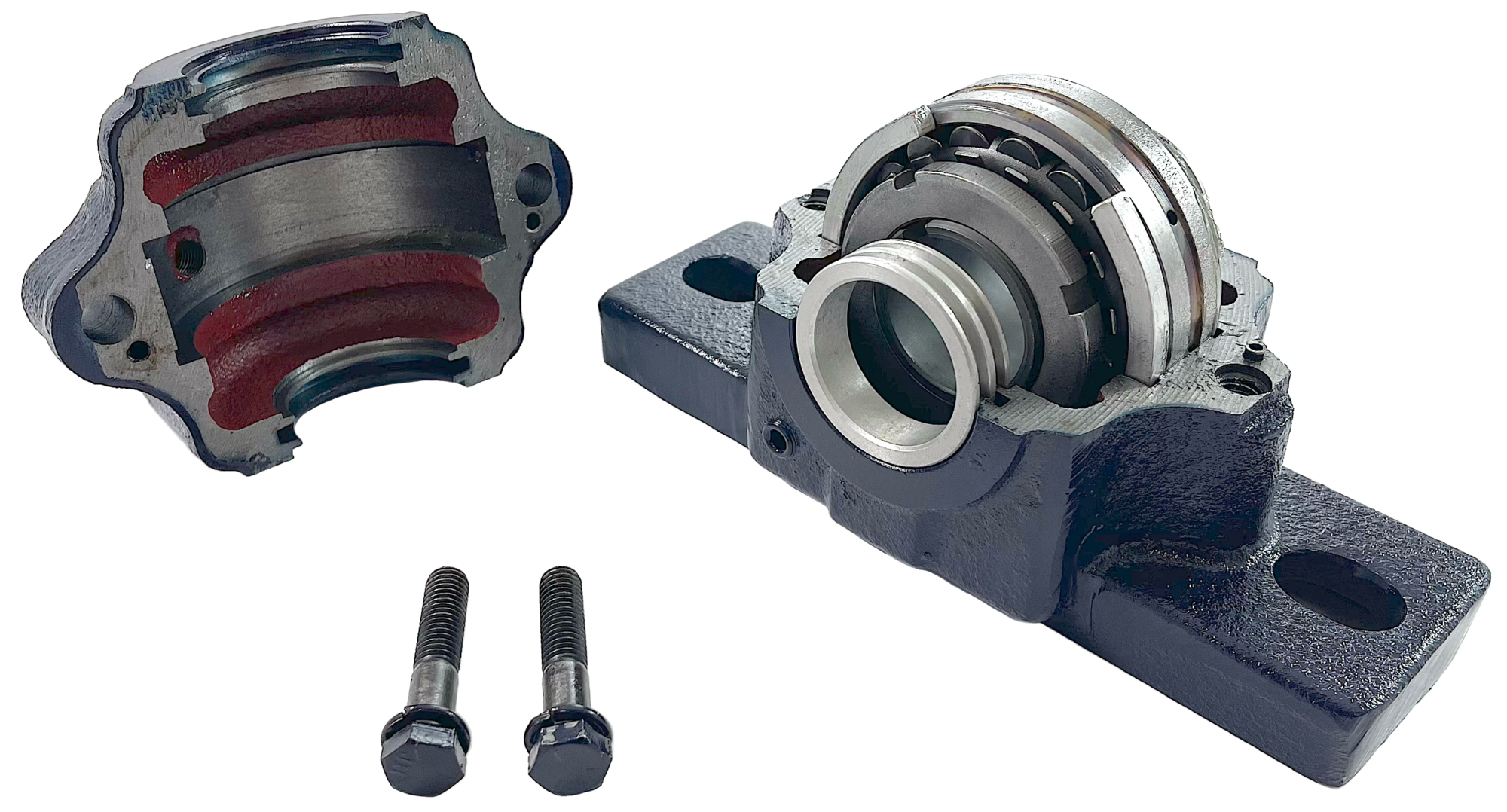
Plummer Block Bearings
Overview: A type of mounted bearing that provides robust support for heavy loads and is typically used in industrial settings.
Usage: Commonly used in applications like mining equipment, paper mills, and heavy machinery, where stability and load distribution are crucial.
Automotive Bearings
Overview: Designed specifically for vehicles, these bearings support various components such as wheels, engines, and transmissions.
Usage: Essential for ensuring smooth operation and reliability in applications ranging from wheel hubs to crankshafts and gear systems.